Scope 1 Emissions Diagram

Understanding Scope 1 Emissions

Scope 1 emissions are direct emissions from company-owned and controlled resources. In other words, they are emissions released into the atmosphere directly resulting from a set of activities.

Although Scope 1 often accounts for the smallest amount of greenhouse gas emissions a company emits, it is also the scope most directly under a business's control. Understanding where Scope 1 emissions originate can offer a clear starting point for decarbonisation.

In 2001, the GHG Protocol's guidelines categorised business greenhouse gas (GHG) emissions as Scope 1, Scope 2, and Scope 3 emissions. These scopes define where within the wider supply chain that emissions occur. Meanwhile, the guidelines were created to give businesses a framework to measure, track, and reduce their emissions.

Categories in Scope 1 Emissions

Four main sources of direct greenhouse gas emissions

🏢

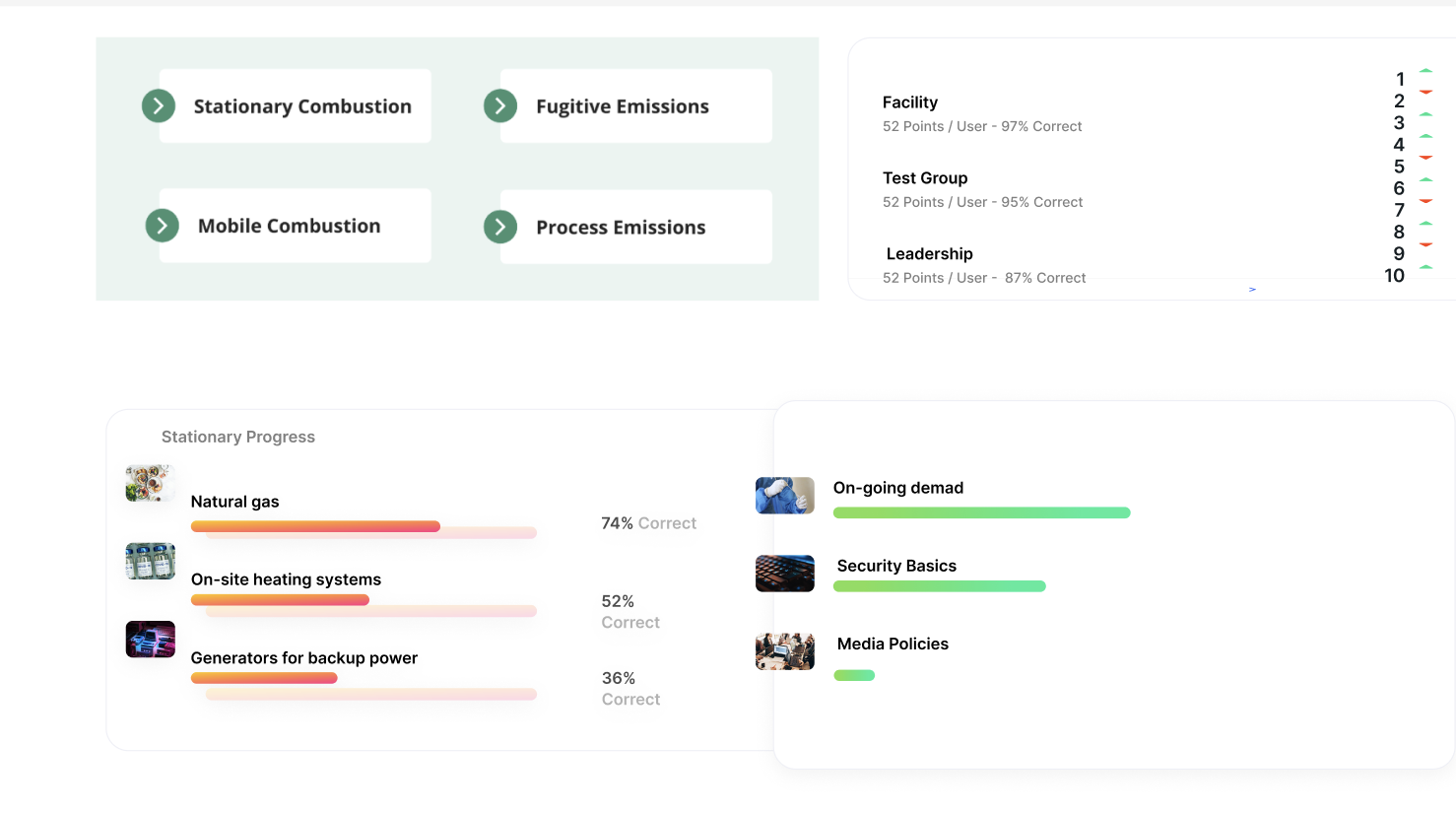
Stationary Combustion

Emissions from fuel burned in fixed equipment like boilers, furnaces, and generators at company facilities. This includes natural gas for heating and diesel for backup power systems.

These are typically the most controllable emissions, as they occur at owned facilities where energy efficiency improvements and fuel switching can be directly implemented.

🚗

Mobile Combustion

Emissions from company-owned or controlled vehicles including cars, trucks, ships, and aircraft. Covers all transportation assets that burn fuel for movement.

Fleet management and vehicle electrification are key strategies for reducing these emissions. Route optimization can also significantly lower fuel consumption.

❄️

Fugitive Emissions

Intentional or unintentional releases of greenhouse gases from equipment leaks, refrigerant systems, and industrial processes. Often includes refrigerants from air conditioning units.

Regular maintenance and leak detection programs are essential. Upgrading to low-GWP refrigerants can dramatically reduce the climate impact of these emissions.

⚙️

Process Emissions

Emissions from industrial and chemical processes such as cement production, metal smelting, and chemical reactions. These are inherent to certain manufacturing operations.

Process modifications, alternative materials, and carbon capture technologies offer pathways to reduction, though these often require significant investment and innovation.

Why Scope 1 Emissions Differ Between Organizations

Scope 1 emissions can differ greatly depending on how an organization operates. Some emissions come from onsite fuel use, such as heating, cooling, or equipment; others come from vehicle use or from emissions released during manufacturing or chemical processes.

In many cases, the easier wins in reducing Scope 1 involve improving energy efficiency, ensuring all systems are well-maintained and sealed to prevent leaks, and electrifying operations where possible. But there are organizations whose core operations generate most of their emissions directly: for them, reducing Scope 1 means adopting new technologies, changing core processes, and making deeper shifts in how they do things.

Thus, the actions to reduce Scope 1 depend on where emissions are coming from and how central they are to the organization's activities.

Some Organization Profiles As Example

See how Scope 1 sources differ by organization type

Service Company Manufacturing

Emission Contribution Sources

Onsite Fuel Use
Vehicle Fleet
Fugitive Emissions
Process Emissions

Key Emission Sources

  • Office heating and cooling systems
  • Company vehicle fleet operations
  • Refrigerant leaks from HVAC

Top Reduction Actions

  • Transition to electric vehicle fleet
  • Improve building energy efficiency
  • Regular HVAC maintenance programs

Manage Your Scope 1 Emissions with Emitrix

A recent SAP Insights survey indicates that a significant number of mid-market executives express concerns about the quality of data available to drive sustainable transformation. Despite advancements in technology, many organizations continue to rely on traditional methods for measuring and tracking emissions, which can lead to inefficiencies and limited visibility across Scope 1, 2, and 3 emissions.

To enhance data accuracy, reliability, and efficiency, many organizations are turning to carbon accounting software. By automating carbon accounting processes, businesses can streamline emissions tracking, gain actionable insights, and manage their decarbonization journey on a single, integrated platform.

Emitrix is a provider of corporate carbon accounting, ESG reporting, and decarbonization software. Our data-driven SaaS platform combines advanced technologies with the latest scientific standards, fully compliant with the GHG Protocol and alinged by ISO14064, enabling businesses to efficiently collect data, measure emissions, and take meaningful steps to reduce their carbon footprint.

85%
Data Accuracy Improvement
60%
Time Saved on Reporting
⚠️

Data Quality Concerns

Organizations face several critical challenges in ensuring the accuracy and reliability of emissions data:

  • Inconsistent data collection methods
  • Limited visibility across all emission scopes
  • Compliance Verification Difficulties
💡

Carbon Accounting Software Benefits

Specialized software transforms how organizations manage their carbon footprint:

  • Automated data collection and validation
  • Real-time emissions tracking and reporting
  • Centralized platform for all scopes
  • Actionable insights for reduction strategies